Veterinary Courses
Veterinary courses can help you learn animal anatomy, physiology, diagnostics, and treatment protocols. You can build skills in surgical techniques, anesthesia management, and client communication. Many courses introduce tools like diagnostic imaging equipment, laboratory analysis software, and electronic health records, that support effective veterinary practice and patient care.
Popular Veterinary Courses and Certifications
 Status: NewStatus: Preview
Taipei Medical University
Skills you'll gain: Pharmacotherapy, Pharmacology, Medical Prescription, Drug Interaction, Medication Therapy Management, Medication Dispensation, Clinical Monitoring, Pharmacy, Pharmaceuticals, Clinical Research, Drug Development, Pharmaceutical Terminology, Nephrology, Patient Safety, Mathematical Modeling, Physiology, Analytical Testing, Biochemistry, Continuous Monitoring, Biotechnology
 Status: Preview
National Taiwan University
Skills you'll gain: Nephrology, Dialysis, Critical Care, Intensive Care Medicine, Intensive Care Unit, Life Support, Public Health and Disease Prevention, Infectious Diseases, Bloodborne Pathogens, Epidemiology, Chronic Diseases, Infection Control, Public Health, Medical Science and Research, Preventative Care, Health Technology, Surgery, Immunology, Health Policy, Care Management
 Status: Preview
Columbia University
Skills you'll gain: Systems Thinking, Social Justice, Economics, Policy, and Social Studies, Social Sciences, Complex Problem Solving, Problem Solving, Political Sciences, Policy Analysis, Systems Analysis, Persuasive Communication, Personal Development, Critical Thinking, Education and Training, Scientific Methods
 Status: Preview
University of Nebraska
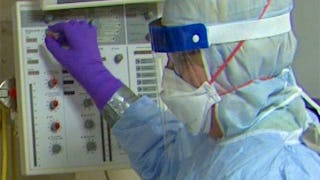
Skills you'll gain: Personal protective equipment, Bloodborne Pathogens, Infection Control, Equipment decontamination, Infectious Diseases, Hand Hygiene, Public Health and Disease Prevention, Asepsis, Patient Safety, Patient Evaluation, Patient Flow, Hospital Admissions, Epidemiology, Public Health, Mental Health, Media and Communications, Occupational Health
 Status: New
University of Minnesota
Skills you'll gain: Food Quality Assurance And Control, Nutritional Assessment, Environmental Science
 Status: NewStatus: Preview
Universitat Politècnica de València
Skills you'll gain: Health Technology, Home Health Care and Assisted Living, Long Term Care, Patient Communication, Geriatrics, Telehealth, Medical Telemetry, Home Health Care, Healthcare Ethics, Patient Education and Support, Activities of Daily Living (ADLs), Medical Equipment and Technology, Patient-centered Care, Caregiving, Chronic Diseases, Communication Disorders, digital literacy, Ethical Standards And Conduct, Sensory Systems Analysis
In summary, here are 6 of our most popular veterinary courses
- Clinical Pharmacokinetics: Dosing and Monitoring: Taipei Medical University
- Pioneers of Medicine and Medical Breakthroughs in Taiwan: National Taiwan University
- Pets, Politics and Pandemics: Columbia University
- High Level Biocontainment for Healthcare Facilities: University of Nebraska
- Forages and Pastures: University of Minnesota
- Introducción a ALT - Tecnología de Asistencia a la Vida: Universitat Politècnica de València










